Long-duration energy storage (LDES) creates new business opportunities, increases market flexibility and supports sustainable development. Having established its position as an expert in the field, Ilmatar contributes to advancing sustainable storage solutions in collaboration with industry partners. We closely monitor developments in the electricity market as well as in storage technologies and assess the suitability of various solutions.
Technology development opens new and sustainable business opportunities
Ilmatar is particularly interested in long-duration energy storage because it complements and balances the weather-dependent production of wind and solar power. Long-duration storage helps ease the load on the electricity grid and improves its resilience, especially when production and consumption are geographically far apart.
“Future electricity markets need more diverse and longer-duration storage solutions. At Ilmatar, we are open to all technologies that enable the efficient – and sustainable – use of renewable energy in the power system,” says Mika Jantunen, Ilmatar’s Technology Director.
According to Jantunen, each storage technology has its own role in the market:
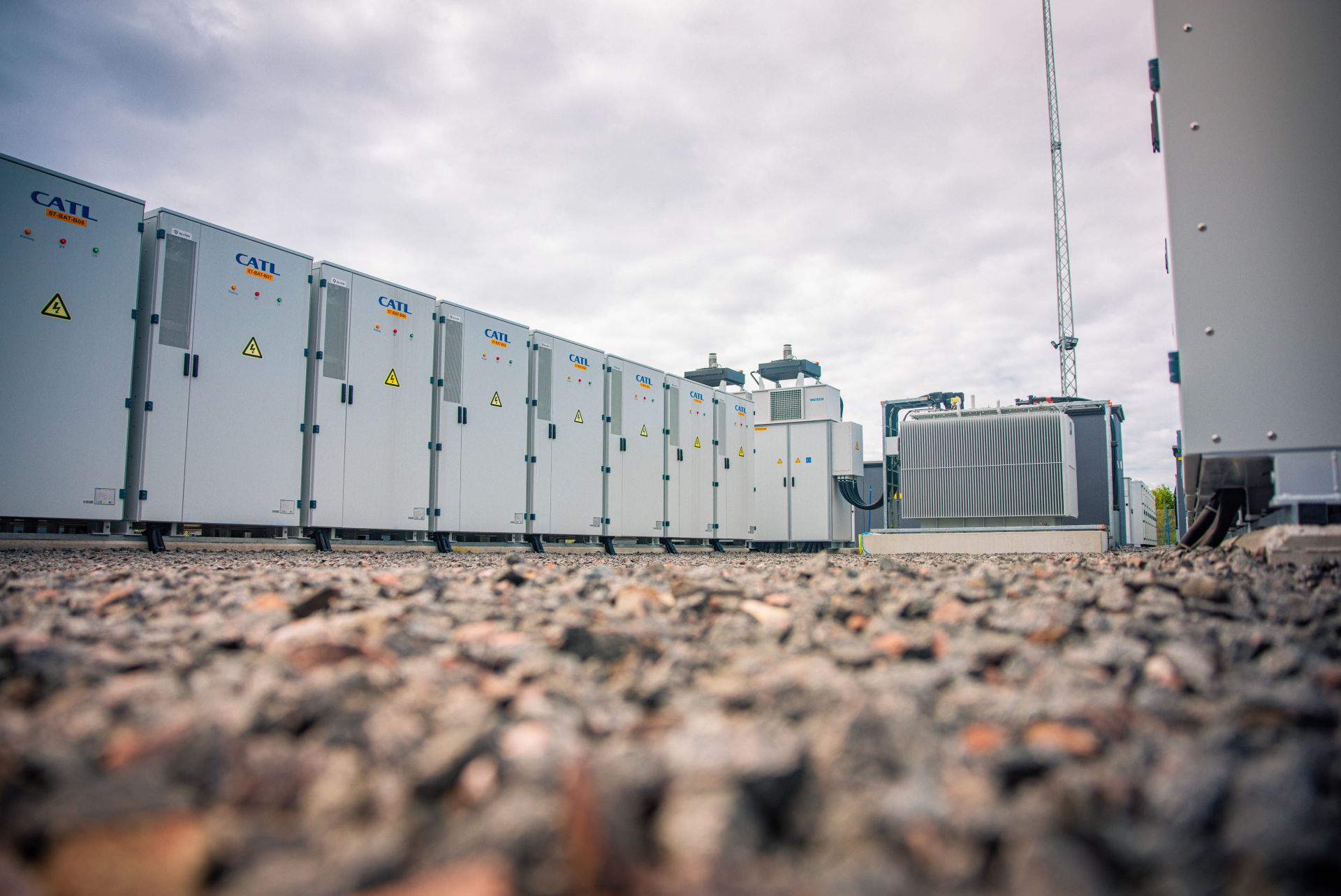
“Current lithium-based batteries, which enable short-term storage of around two hours and fast balancing, are well suited for trading in reserve markets. Emerging solutions, which we are closely monitoring and evaluating, allow storage capacities exceeding 10 hours. They support active power trading by giving producers the flexibility to participate in day-ahead and intraday markets and optimise their renewable energy production more effectively,” Jantunen says.
New technologies support security of supply and sustainability goals
Lithium used in today’s BESS systems is a scarce and limited natural resource, which makes the use of alternative materials essential for more sustainable energy storage. Resource efficiency improves and dependence on individual raw materials and suppliers decreases. New technologies could also be manufactured closer to home, strengthening Europe’s self-sufficiency.
In addition to business potential, one of the key benefits of long-duration storage systems is their ability to stabilise the grid. This reduces vulnerability in unpredictable situations.
“For example, restoring power after a large-scale blackout can take hours, but new storage systems can significantly speed up the grid’s recovery,” Jantunen notes.
As long-duration energy storage becomes more common, renewable energy production can continue to grow in the future. To make these solutions commercially viable, new markets and contract models are needed. Integrating long-duration storage into a wind or solar power plant’s PPA could enable offering a new type of production profile to electricity buyers.
“We believe that markets and PPA models will evolve in a direction where long-duration storage plays a crucial role in the energy system,” Jantunen concludes.