At Ilmatar, we work every day towards a cleaner future by producing energy from natural sources — wind and solar. Nature‑based solutions do not only reduce emissions; they are reshaping the entire energy system towards a more sustainable, resource‑efficient and climate‑conscious direction.
Addressing climate change is also one of the key ways to combat biodiversity loss. As energy systems increasingly rely on renewable natural resources, the pressures on both the climate and ecosystems are reduced.
The energy system is undergoing a transformation
Recent climate discussions have been marked by uncertainty, geopolitical tensions and political compromises. Nevertheless, the clean transition has continued to move forward steadily — largely because renewable energy has proven to be a sustainable solution both climatically and at the system level.
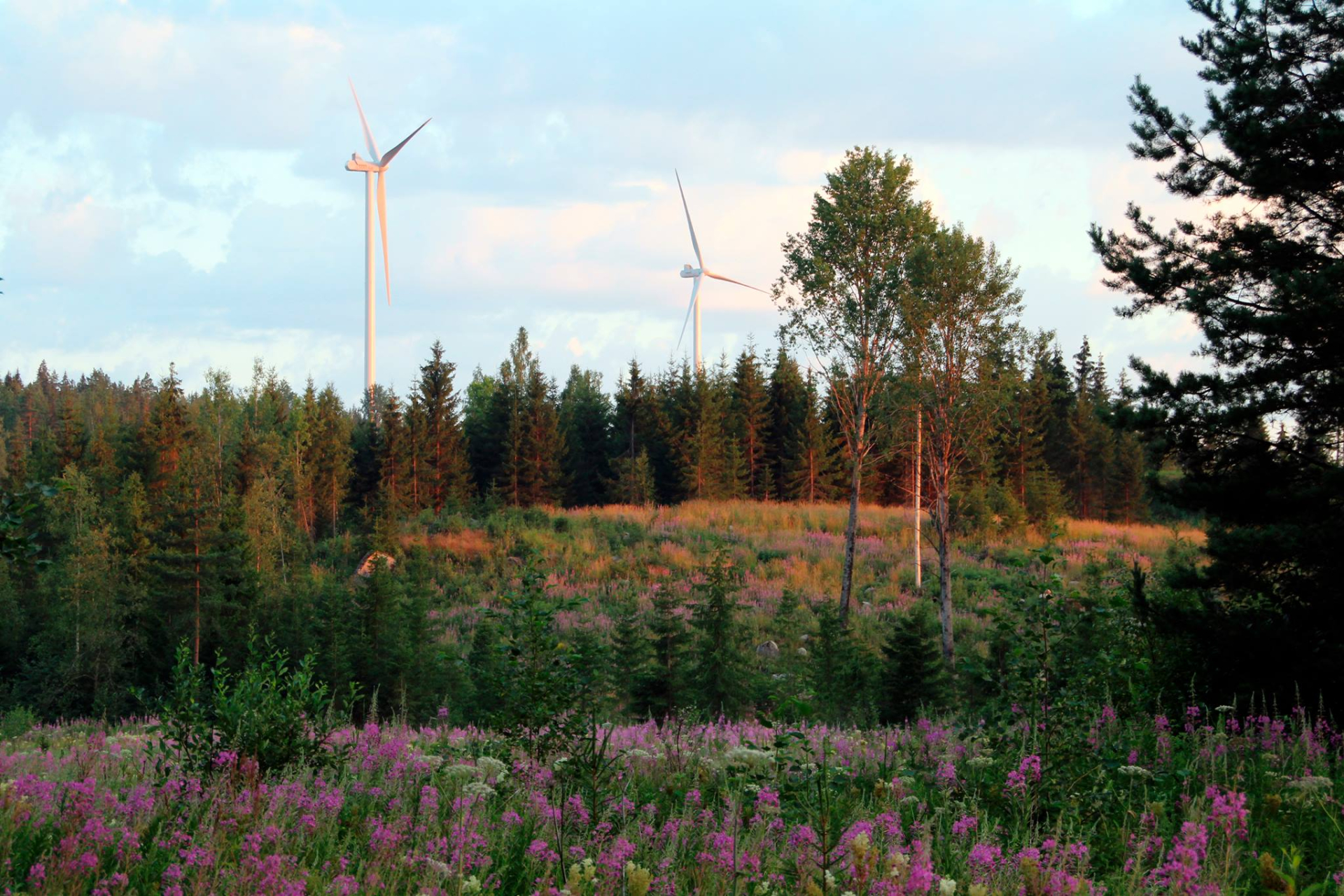
While the early decades of wind power focused on technological development, the past ten years have marked its breakthrough. Globally, wind and solar power have become central pillars of the energy system, and in Finland the development has been particularly rapid. In just a decade, wind power has grown into a major source of electricity generation and one of the largest areas of renewable energy investment.
Nature’s rhythms define the energy of the future
The theme of World Environment Day emphasises inspiration drawn from nature. In the energy sector, this means understanding natural rhythms and combining them with technology.
Traditional energy systems have been built around predictable and controllable production. Renewable energy works differently: it depends on natural conditions, weather variability and local resources. The energy system of the future operates on nature’s terms — decentralised, weather‑dependent, data‑driven and flexible. Climate action is increasingly about building systems, not just reducing individual emissions.
The more the energy system relies on nature, the more intelligence it requires around it: forecasting, optimisation, real‑time trading, energy storage and the ability to respond quickly to change.
Ilmatar operates precisely at this intersection — where physical production, markets and system balance meet.
In 2025, we produced 1.3 TWh of clean electricity and increased our capacity to 658 megawatts. The climate impact of this fully fossil‑free production corresponds to the annual emissions of more than 58,000 Finns.
Renewable energy is not only changing how electricity is produced — it is shaping society towards a future that is in balance with the climate and nature.