ArticleSustainability

Bird monitoring provides valuable information on the long-term impacts of wind power

29.09.2026
Tags: 
  • co-operation,
  • onshore wind power,
  • stakeholders,
  • sustainability

Images: Ilmatar & Ekaterina Chemetsova

The environmental impacts of wind power projects are assessed extensively during the planning phase, but at Ilmatar, the work does not end there.

We also monitor bird populations during construction and while the turbines are in operation. This enables us to assess the impacts in practice and generate new information about how wind power and nature can coexist.

Bird surveys form part of the environmental impact assessment (EIA) process for wind power projects. They help identify important bird species in the area and assess potential impacts on migration routes, breeding areas and protected species, for example. Based on the assessments, long-term monitoring programmes are established where necessary, allowing the impacts to be studied after the project has been implemented.

Examining the impacts of wind turbines on nature critically

Bird monitoring has been carried out at Ilmatar’s Möksy and Louhukangas wind farms in Alajärvi and at the Pahkakoski wind farm in Ii. Impacts on birds are monitored both during construction and once the wind farms are operational. Monitoring during the construction phase examines how the construction of wind turbines and other infrastructure affects bird populations in the area. Operational monitoring, in turn, provides information on how bird populations have adapted to the wind farm over the longer term. The next monitoring phase will take place approximately five years after the wind farm becomes operational.

Long-term monitoring helps us understand how the impacts identified in the assessments materialise in practice. For example, an endangered bird species may be identified in the area during the EIA phase, but only monitoring can determine whether the wind farm actually causes significant harm to the species’ behaviour or habitat.

The impacts of wind power on birds attract considerable interest and raise questions. Monitoring data helps distinguish assumptions and concerns from actual impacts, while continuously expanding the knowledge base on the environmental impacts of renewable energy production.

Long-term monitoring also generates information that is still relatively limited across the industry. Although environmental surveys have been conducted for many years, information on the impacts of operational wind farms can only be accumulated over the course of their operation. Ilmatar’s projects provide an opportunity to examine these impacts over several years and apply the findings to the planning of future projects.

The monitoring results can be used in the environmental impact assessments of new projects, in the planning of mitigation measures and, more broadly, in ensuring that biodiversity is taken into account when developing energy infrastructure.

Tags: 
  • co-operation,
  • onshore wind power,
  • stakeholders,
  • sustainability

What did bird monitoring reveal at the wind farms in Alajärvi and Ii?

Findings from the monitoring reports

As part of its environmental responsibility, Ilmatar carries out bird monitoring at selected wind farms based on the results of environmental impact assessments. This helps us ensure that our decisions are based on scientific evidence and that renewable energy production can be developed in a way that also takes biodiversity into account.

The bird monitoring revealed, among other things, the following:

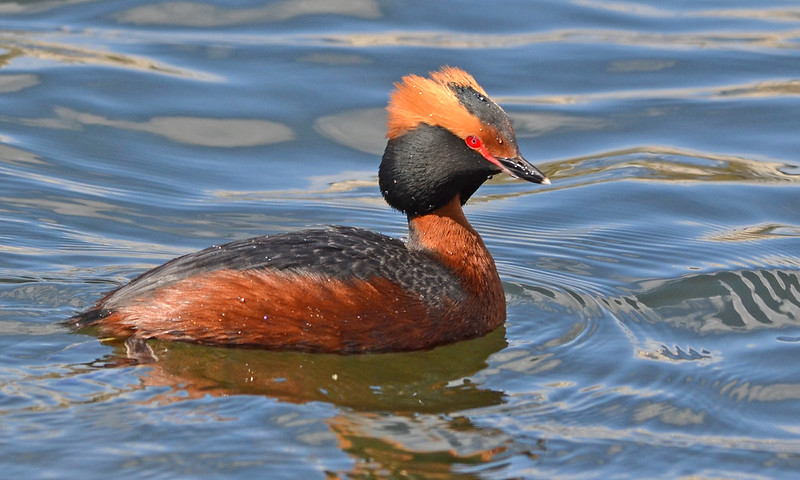
The critically endangered Slavonian grebe continues to breed at Lake Savonjärvi in the Alajärvi area, where three Slavonian grebe territories were recorded in 2023. The species is classified as endangered (EN) in Finland, and its continued presence reflects the area’s preserved ecological value.

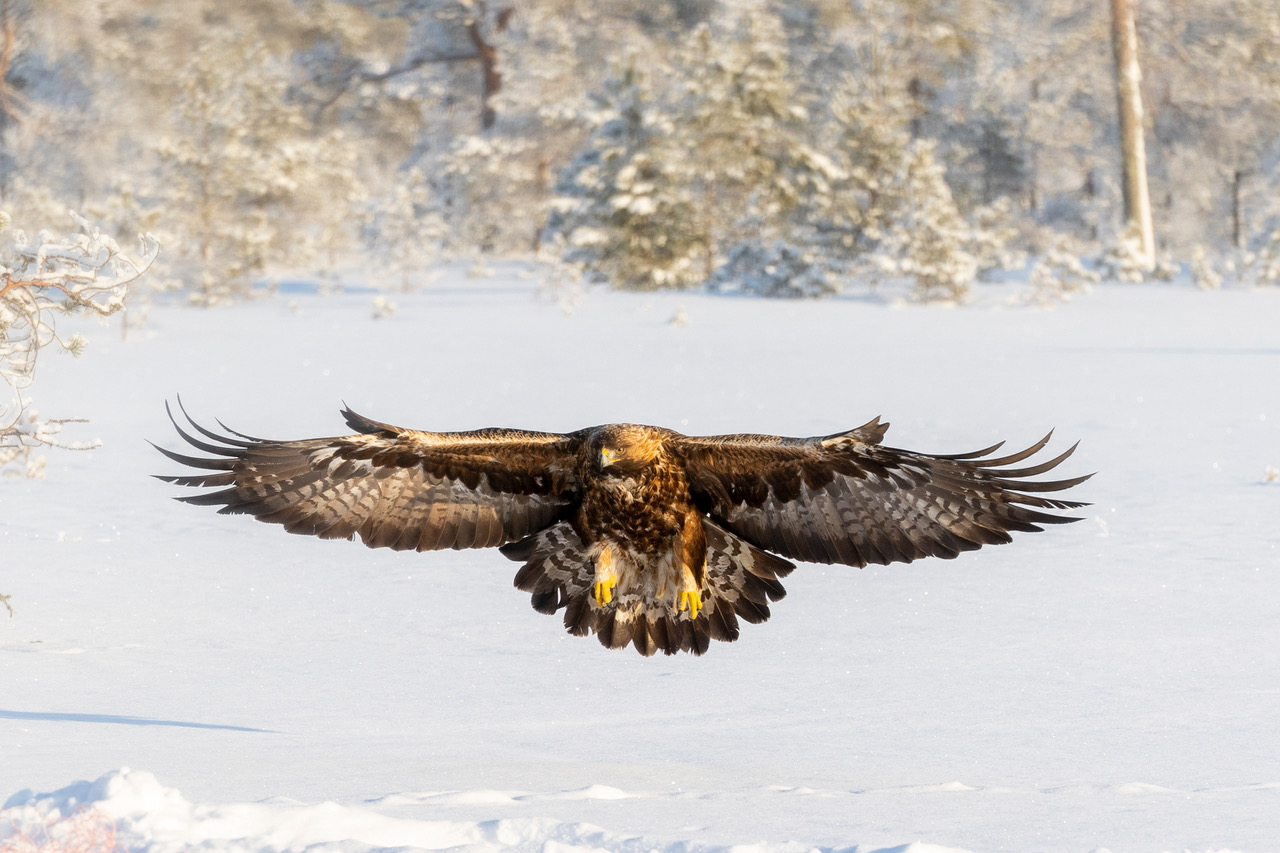
Golden eagles bred successfully in the golden eagle territory closest to the Louhukangas–Möksy wind farm area. One chick was produced in 2023, and breeding has also been successful in several previous years.

At Louhukangas, 15 male black grouse were observed using the lek at Honkineva, and the lek remained active later in the spring. At Pahkakoski, a lek involving several dozen male black grouse was observed at Pirttiharjunsuo. The report also revealed that black grouse used areas modified by construction. At Pahkakoski, black grouse were observed lekking on forest roads widened in connection with the wind power project and in other open areas. In some locations, new open areas may provide suitable lekking habitats for the species.

Northern goshawks bred in the Louhukangas and Möksy area during construction. An occupied northern goshawk nest was found in the area in 2023, whereas no occupied nests of birds of prey had been recorded there ten years earlier.

Near Pahkakoski, at Iso-Pihlajasuo, observers recorded a broad-billed sandpiper displaying and calling. The species favours wet and waterlogged mire habitats for breeding. In Finland, the broad-billed sandpiper is classified as near threatened and regionally threatened, and Finland has a particular international responsibility for its conservation.

Nearly 1,000 common cranes were recorded during spring migration monitoring at Pahkakoski. According to the report, the cranes often gained altitude or slightly altered their flight direction when approaching the turbines. Approximately 1.2% of the observed individuals were assessed as having been exposed to a collision risk. In other words, the cranes were able to avoid the turbines.