Financial support from companies plays a crucial role in ensuring their operational capability and emergency readiness.
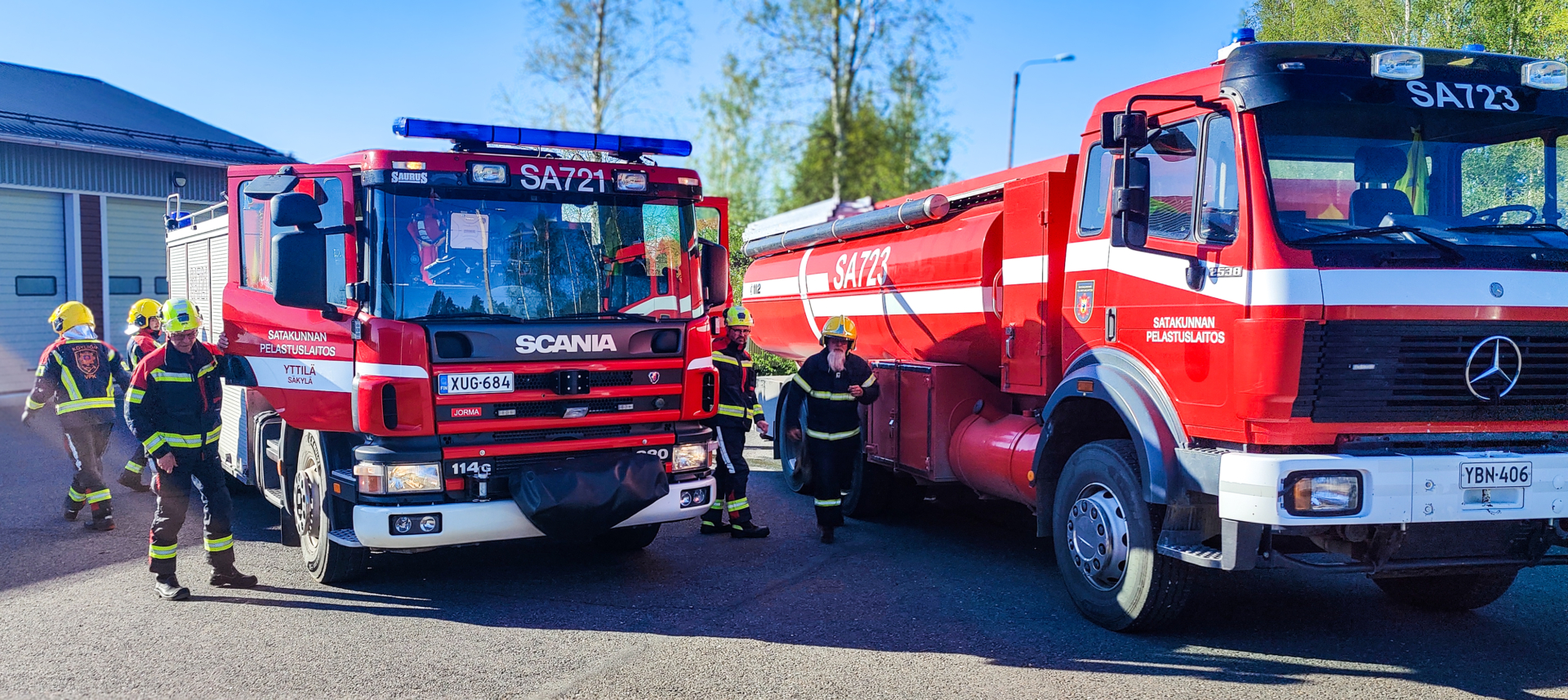
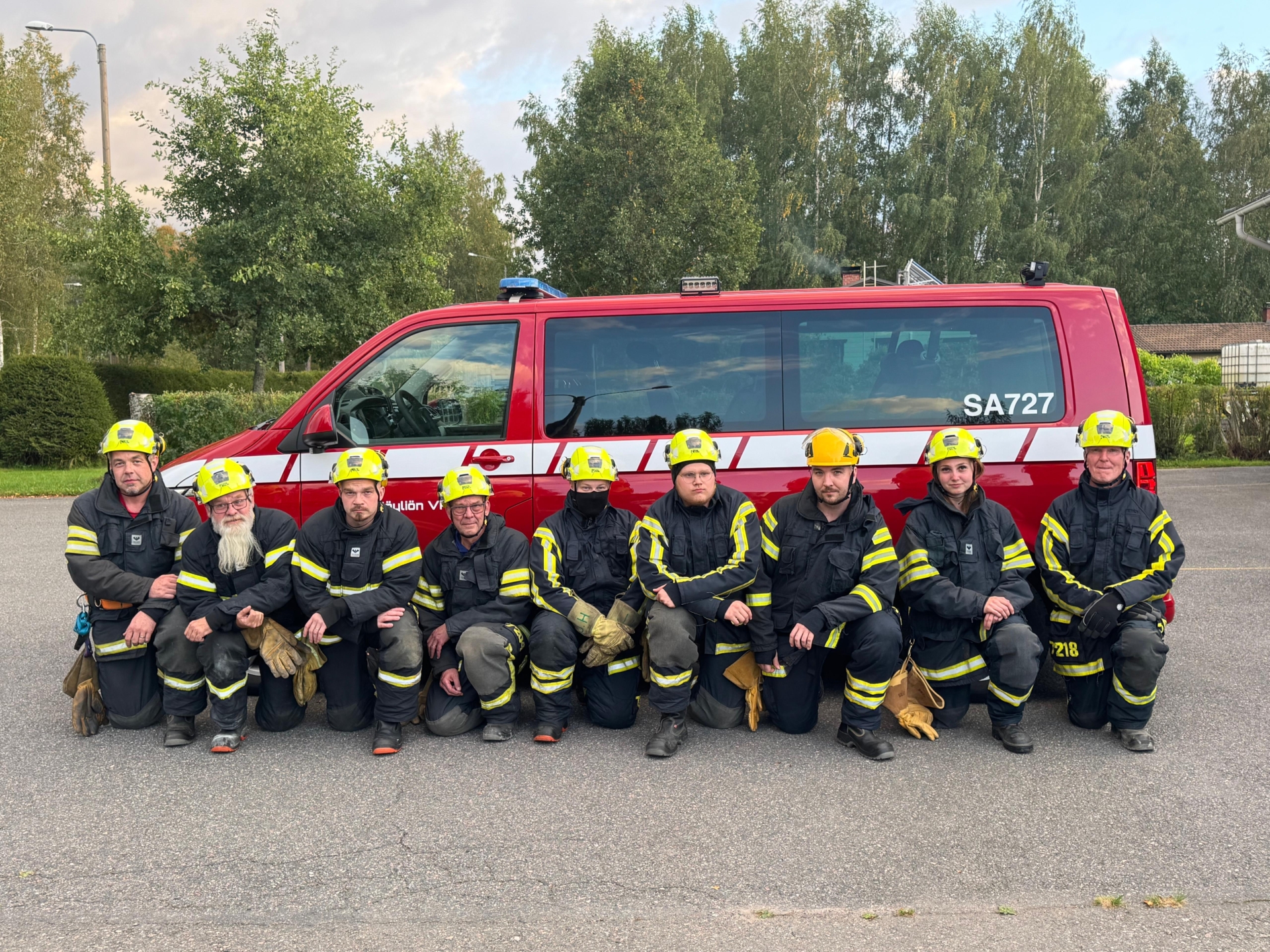
There are four volunteer fire brigades operating in the Köyliö area, and they are responsible for virtually all emergency response tasks in the region, helping prevent incidents from escalating into larger threats. Their role is particularly important for the local community, as the nearest professional rescue station is located approximately 30 kilometres away. Ilmatar’s support has been directed to the Köyliö Volunteer Fire Brigade and the Western Köyliö Volunteer Fire Brigade.
Volunteering Requires Commitment and Support from Employers
Volunteer fire brigade activities are strongly rooted in community spirit. The associations have memberships ranging from several dozen people to nearly one hundred across different age groups.
“At the heart of volunteer work is a simple motivation: the desire to help. Almost every family in Köyliö has had someone involved in the fire brigade at some point,” says Timo Kaunisto from the Köyliö Volunteer Fire Brigade.
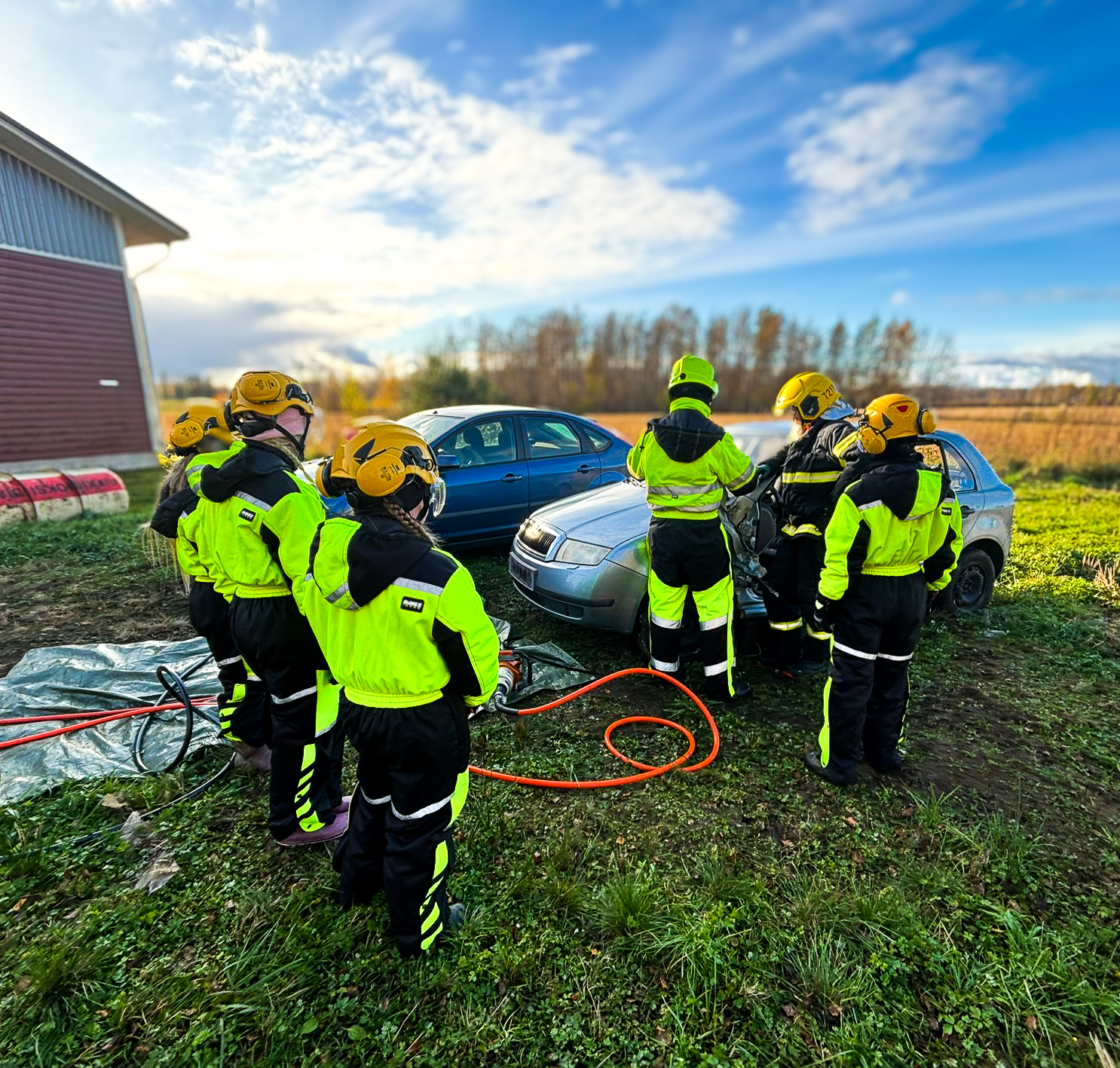
The fire brigades’ broad range of responsibilities includes firefighting and rescue operations, first response duties, as well as boat and surface water rescue missions. When an emergency call comes in, volunteers must be ready to set aside their personal plans and, sometimes, even their regular workday.
“Emergency response cannot wait until after office hours. That is why we want to give special recognition to all companies and organisations that allow their employees to leave work in the middle of the day to respond to an emergency call,” Kaunisto continues.
Equipment for Situations When Communications Fail
Alongside emergency response, preparedness for situations involving disruptions to electricity and telecommunications has become an increasingly important part of the brigades’ work. In Köyliö, preparedness equipment includes generators, thermal cameras and drones.
If normal communication channels are unavailable, local residents can request assistance through the so-called village radio network. This VHF radio network operates on a public frequency and can be monitored at local fire stations.
Ilmatar’s support was directed towards improving the rescue teams’ internal communication, preparedness capabilities and cybersecurity.
“Thanks to Ilmatar’s support, we were able to equip all fire engines and the fire station with VHF radios. They allow us to stay connected even when other communication systems are unavailable. Their long range is particularly important when units are operating far from the station. Reliable communication is directly linked to safety,” says Kaunisto.
“Support grants are enormously important to us. We do not receive salaries, so all funding goes directly towards maintaining and developing the association’s activities,” Kaunisto adds.